
 By Hon. Comrade James Onifade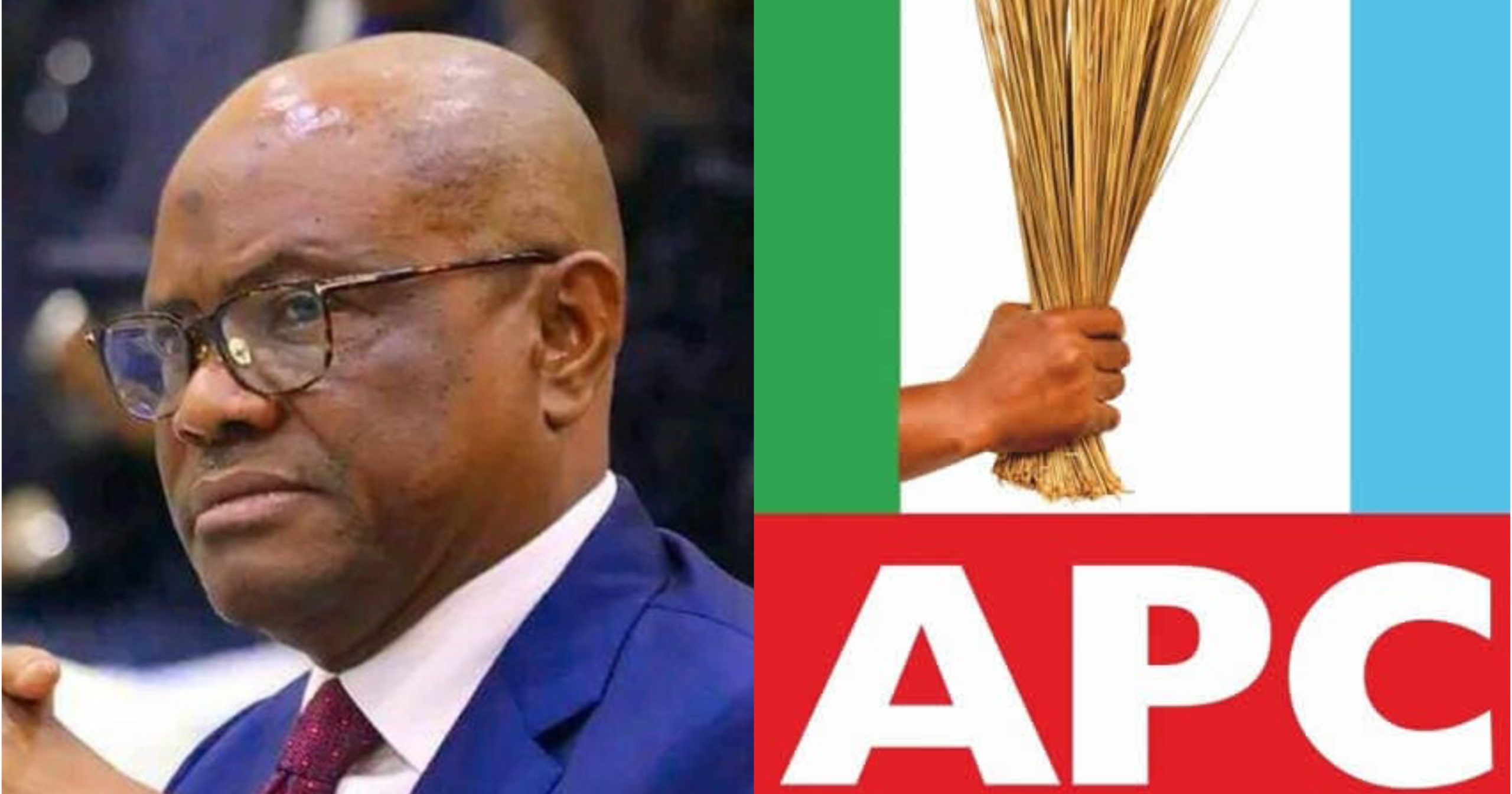
Nyesom Wike has finally overplayed his hand. After months of political brinkmanship, veiled threats, and self-aggrandizing proclamations, the former Rivers State governor has crossed the line from influential power broker to delusional political gambler.
His latest threat to “reveal” the real winner of the 2023 presidential election and potentially destabilize the All Progressives Congress (APC) is not just reckless it is the desperate posturing of a man who has fundamentally misunderstood his place in Nigeria’s political hierarchy.
Let’s be brutally clear: Wike’s threats are hollow, his influence is waning, and his increasingly erratic behavior suggests a politician who knows his relevance is expiring faster than he can manufacture controversies to stay in the headlines.
The Audacity of Political Duplicity
Let’s correct the record: Nyesom Wike did not work against Bola Ahmed Tinubu in the 2023 election. On the contrary, he worked openly and deliberately for Tinubu, while remaining a card-carrying member of the Peoples Democratic Party (PDP).
What Wike worked against was not the APC, but his own party. He actively sabotaged the PDP’s presidential campaign and worked against its flag bearer, His Excellency, former Vice President Atiku Abubakar. This was not subtle, accidental, or speculative. It was overt, strategic, and sustained.
That duplicity is the foundation of today’s crisis. Wike now postures as if he did Tinubu a favor that grants him permanent leverage over the APC. But political transactions are not marriages; they are contracts and this one has been fully executed and settled.
Tinubu’s Silence Speaks Louder Than Words
President Tinubu did not need to publicly rebuke Wike. His body language has said everything. In politics, silence is often louder than confrontation. When APC leaders, chieftains, and stakeholders repeatedly emphasize that Wike is not a member of the APC, and the president offers no correction, no caution, and no pushback, the message is unmistakable. If Tinubu disagreed, he would have intervened. He did not.
That silence is not indecision, it is endorsement.
Tinubu’s body language makes one thing clear: support does not equal membership. Electoral assistance does not confer ownership. Wike appears to have mistaken compensation for equity. He received a ministerial appointment, access, and temporary relevance not a controlling stake in the APC.
You Cannot Be Kingmaker and King at the Same Time
There is a basic rule of politics: you cannot sit in two camps and expect loyalty from both. Wike wants to remain in the PDP while exercising authority in the APC. He wants to undermine a sitting PDP governor in Rivers State while serving in the cabinet of an APC president. He wants to threaten the APC with implosion while benefiting from its federal power.
This is not strategy; it is contradiction masquerading as influence. The symbolism is devastating. Governor Siminalayi Fubara is now widely recognized as the political authority in Rivers State, and Tinubu’s posture has reinforced that reality. Wike’s era of unilateral control is over. Rivers politics has moved on—even if Wike has not.
The Empty Threat of “Revealing” the 2023 Election Winner
Wike’s so called nuclear option, claiming he will reveal who “truly won” the 2023 presidential election is the clearest sign of desperation.
If such evidence existed and was credible, it would have surfaced during tribunal proceedings, when it mattered most. Holding it back as leverage only raises one question: why now?
And even if such evidence existed, what is the endgame? The courts have ruled. The political process has concluded. Governance is underway. Threatening to reopen settled history does not make one powerful, it makes one irrelevant.
More damning is the moral contradiction: if Wike knowingly served in the cabinet of a president he claims benefited from electoral fraud, what does that say about him? Principle delayed until convenience is not principle at all.
The Rivers State Overreach
Wike’s greatest miscalculation remains Rivers State. He anointed Fubara expecting obedience. What he got instead was constitutional independence.
Rather than accept the democratic reality that successors govern differently, Wike chose destabilization—weaponizing institutions, encouraging legislative chaos, and placing personal control above state stability. History is rarely kind to politicians who attempt to rule by remote control.
Tinubu has not fought Wike, he has outgrown him.
By allowing political realities not personal drama to take their course, Tinubu has quietly edged Wike out of relevance in Rivers State and stripped him of the illusion of indispensability at the federal level. This is classic Jagaban politics: no noise, no sentiment, just positioning.
Wike, like Fayose of Ekiti before him, now faces a political truth many refuse to accept until it is too late: in politics, usefulness expires faster than loyalty.
The real game has begun and some players are already on their way out.
E-signed : Hon Comrade James Onifade
Advocate for Good Governance and A Better Judicial System
 Joshua Tosin Ogunsakin