
 By Joshua Tosin Ogunsakin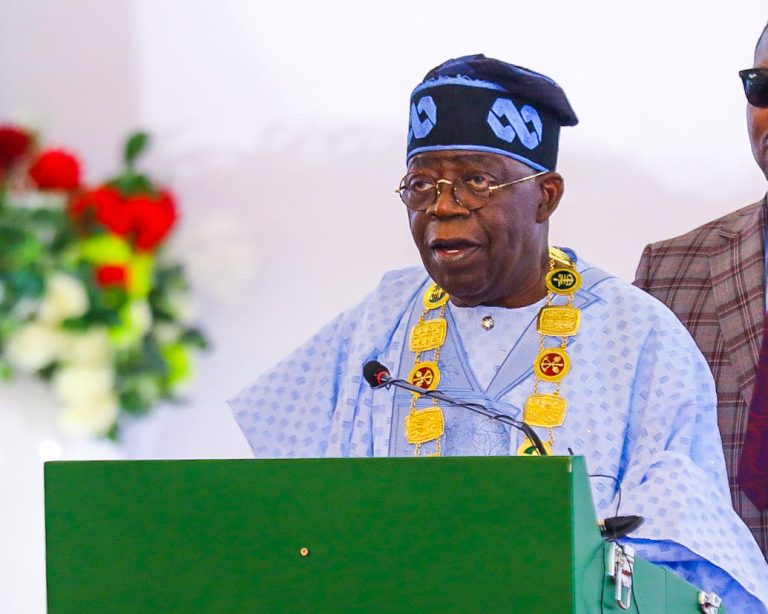
President Bola Tinubu says the new tax laws will commence on January 1st, 2026 as planned.
President Tinubu, who is currently in Europe, in a statement he personally signed on Tuesday, said the new tax laws, including those that took effect on June 26, 2025, and the remaining acts scheduled to commence on January 1, 2026, will continue as planned.
The President described it is a “once-in-a-generation opportunity to build a fair, competitive, and robust fiscal foundation for our country.”
He said the tax laws are not designed to raise taxes but to support a structural reset, drive harmonisation, and protect dignity while strengthening the social contract.
The President urged all stakeholders to support the implementation phase, which is now firmly in the delivery stage.
“Our administration is aware of the public discourse surrounding alleged changes to some provisions of the recently enacted tax laws.”
In defence of the current laws, President Tinubu stated that “no substantial issue has been established that warrants a disruption of the reform process. Absolute trust is built over time through making the right decisions, not through premature, reactive measures.”
He emphasised his administration’s unwavering commitment to due process and the integrity of enacted laws and pledged to work with the National Assembly to ensure swift resolution of any issue.
The new tax laws have generated mixed feelings, with a recent allegation by a lawmaker that what was passed was different from what was gazetted.
But, Tinubu pledged to work with the National Assembly to ensure the swift resolution of any issue identified.
“I assure all Nigerians that the Federal Government will continue to act in the overriding public interest to ensure a tax system that supports prosperity and shared responsibility”
Meanwhile, the Nigeria Employers’ Consultative Association (NECA) has thrown its weight behind the FG’s insistence on the commencement of the new tax law from January 1, 2026.
It, however, cautioned that the success of the tax reforms would depend on coordination, stakeholder trust, and sensitivity to the fragile state of businesses—particularly small and medium-scale enterprises (SMEs).
Speaking at NECA’s end-of-year media engagement on Tuesday, December 30, 2025 in Lagos, Adewale-Smatt Oyerinde, the Director-General/Chief Executive of NECA, said the reform must ultimately address one central issue: easing the multiple and overlapping tax burdens stifling Nigerian businesses.
Oyerinde noted that while 2026 could mark a turning point for Nigeria’s fiscal and monetary reforms, the proximity of the 2027 general elections poses a major risk to effective implementation.
“Politics will naturally take centre stage from January,” he warned, stressing that economic reforms, especially tax reforms, require consistency, discipline, and sustained governance focus.
Oyerinde said the tax framework should be judged by its impact on business survival, growth, and job creation.
He acknowledged the resilience of Nigerian enterprises amid currency instability, high inflation, insecurity, and regulatory bottlenecks, but cautioned against mistaking endurance for sustainability.
“The Nigerian spirit is not a substitute for good policy,” he said. “Doggedness alone cannot keep businesses alive in a hostile operating environment.”
According to him, the proliferation of levies, conflicting regulations, and policy inconsistencies across ministries, departments, and agencies continues to undermine productivity, erode investor confidence, and threaten employment—outcomes the reform is meant to reverse.
Addressing controversies surrounding the tax reform bill, Oyerinde described the process as imperfect but necessary. He defended ongoing stakeholder engagement involving the National Assembly and the Presidential Committee on Tax Reform, while admitting that significant gaps remain.
“No tax reform anywhere in the world is perfect at first contact,” he said. “What matters is the willingness to consult, amend, and correct.”
He welcomed the House of Representatives’ scrutiny of the bill, describing it as a healthy democratic safeguard rather than an attempt to derail reform. Continuous legislative oversight, he argued, would help align the final law with Nigeria’s economic realities.
Oyerinde also criticised the tendency of some regulatory agencies to pursue narrow mandates without considering broader economic consequences. He cited abrupt policy reversals, new fees, and bans that risk wiping out investments worth hundreds of billions of naira and sending negative signals to investors.
“If investors cannot predict policy stability over a 10-year horizon, capital will simply go elsewhere,” he warned.
Business Day