
 By Hon. Comrade James Onifade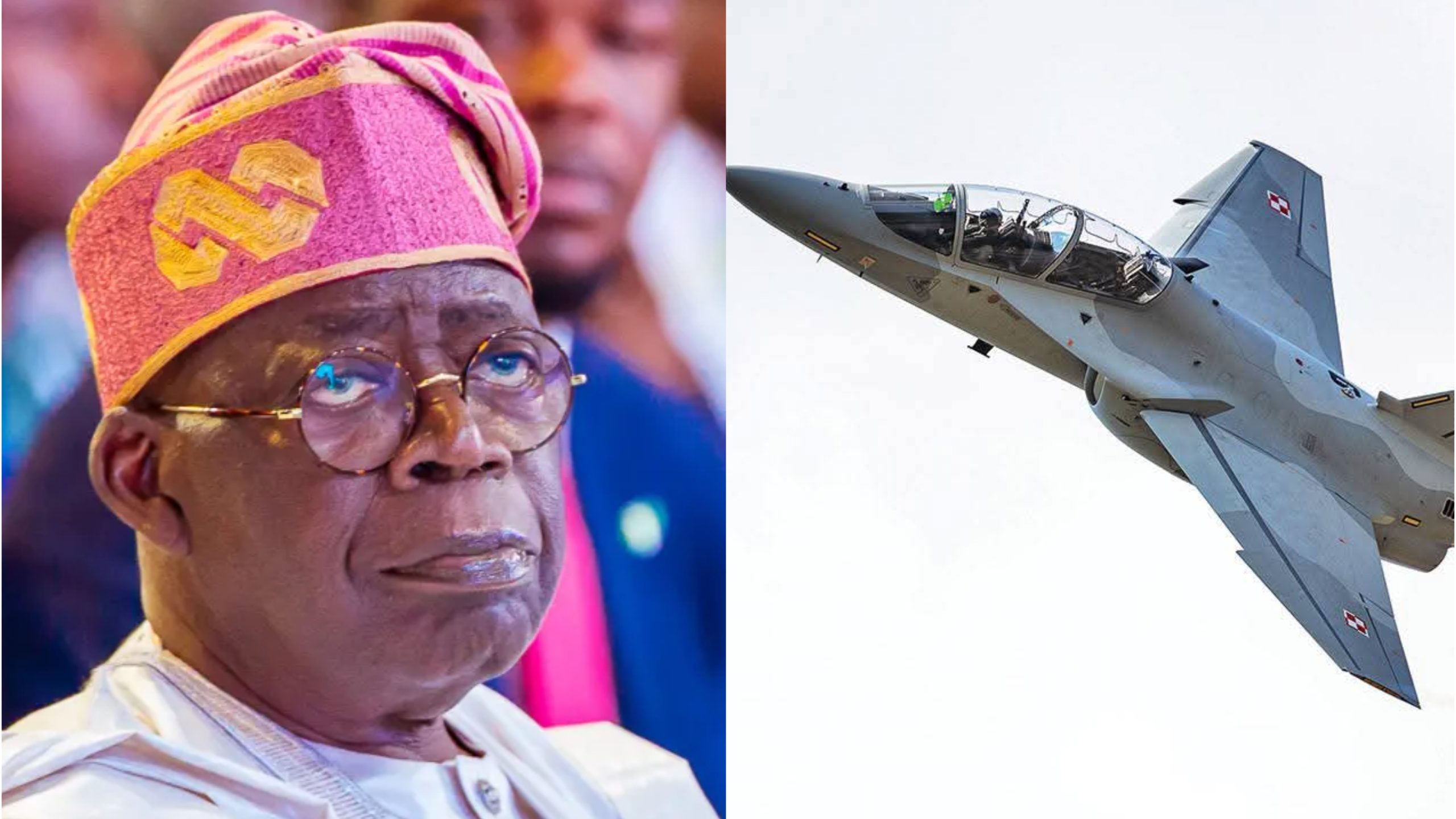
…Hon Comrade James Onifade berates FG
While Nigerian citizens are kidnapped from their beds, farmers are murdered on their own land, and entire communities are displaced by bandits and insurgents, our government has found the resources, energy, and political will to deploy fighter jets and military assets to Benin Republic in the name of protecting democracy.
The question that every thinking Nigerian must ask is simple and profound: Who is protecting our own democracy or as activist Dele Farotimi aptly termed it, our “demoncrazy”?
The Audacity of Misplaced Intervention
The images of Nigerian military aircraft scrambling to respond to political instability in a neighboring country would be commendable if they were not so tragically ironic. For over a decade, Nigerians have watched their security situation deteriorate from bad to catastrophic. The Boko Haram insurgency that began in the Northeast has metastasized into a multi-headed hydra of terror.
Bandits operate with impunity across the Northwest, kidnapping schoolchildren and collecting ransoms as if running a legitimate business. Herder-farmer conflicts have turned fertile farmlands into killing fields. Unknown gunmen terrorize the Southeast, while ritual killings and kidnappings plague the Southwest.
Yet, with all these internal conflagrations raging, the Federal Government of Nigeria has somehow found the capacity to concern itself with putting out fires in Benin Republic. This is not merely a question of priorities; it is a fundamental betrayal of the primary responsibility of any government , the protection of its own citizens.
The Damning Questions That Demand Answers
When a government that has consistently failed to secure its own territory suddenly mobilizes with speed and efficiency to intervene in a neighbor’s crisis, uncomfortable questions arise. Has our government been unable to tackle insecurity at home, or has it been unwilling?
The distinction matters greatly.
The pattern of negotiations with bandits and terrorists, the payment of ransoms that only embolden kidnappers, the seeming reluctance to deploy the full might of our military against internal threats all these have led many Nigerians to dark suspicions. When those entrusted with our security appear more concerned with ECOWAS protocols than with the blood of Nigerian citizens soaking into Nigerian soil, can we be blamed for questioning their commitment?
If the political will, military coordination, and swift decision-making evident in our Benin Republic intervention had been applied to the security challenges within our borders, would we still be counting our dead in thousands? Would our highways still be death traps?
Would our universities still be forced to negotiate with kidnappers for the release of students?
The Symptom of Failed Leadership
The rush to play regional hegemon while failing at basic governance is not new in African politics, but it is particularly galling in the Nigerian context. We are not a nation that has achieved internal stability and is now extending a helping hand to troubled neighbors. We are a struggling nation, bleeding from multiple wounds, that has somehow convinced itself it is fit to perform surgery on others.
This is the unmistakable symptom of leadership failure. Good leaders understand that charity begins at home not out of selfishness, but out of the recognition that you cannot give what you do not have. A nation that cannot guarantee the safety of its own citizens has no moral authority to lecture others about democracy. A government that negotiates with terrorists cannot credibly claim to be defending constitutional order elsewhere.
For more than a decade, Nigerian governments have made promises about ending insecurity. Each new administration inherits a deteriorating situation and, after initial shows of force and optimistic declarations, settles into the same pattern of managed crisis. The bandits grow bolder, the ransoms grow larger, the body count increases, and the government issues statements of condemnation that ring increasingly hollow.
Meanwhile, ordinary Nigerians have been forced to become their own security forces. Communities raise money to hire local vigilantes. Parents withdraw children from schools deemed too risky. Farmers abandon their land rather than face death. Travelers say prayers and write wills before embarking on journeys within their own country. This is not the profile of a functioning state; it is the description of a failing one.
The evidence compels us toward an uncomfortable conclusion: Nigeria’s leadership crisis is not merely about competence but about priority and will. A government that can mobilize for action abroad but remains paralyzed at home is not incompetent, it is misaligned with the interests of its people.
Nigerian lives are treated as less valuable than Nigerian prestige. Nigerian blood is considered a reasonable price to pay for regional influence.
Imagine if the resources, intelligence coordination, military readiness, and political determination deployed toward Benin Republic had instead been directed at Nigeria’s security challenges. Imagine if our leaders approached banditry with the same urgency they approach threats to democracy in neighboring countries. Imagine if protecting Nigerian schoolchildren from kidnappers received the same priority as protecting constitutional order across our borders.
We would likely be writing a different story today. Our internally displaced persons might have returned home. Our farmers might be working their land without fear. Our students might be studying without the terror of abduction. Our travelers might journey without elaborate security arrangements and fervent prayers.
But these remain in the realm of imagination because our leaders have made their choices clear. And those choices have placed Nigeria among what is increasingly perceived as the weakest, most dysfunctional nations in the world not because we lack resources or capability, but because we lack leadership that puts Nigerian lives first.
The Federal Government, the President, the Ministers, and all who support this inversion of priorities must understand: every Nigerian life lost to insecurity while our military resources are deployed elsewhere is a stain on their legacy. Every ransom paid to bandits while we fund interventions abroad is evidence of moral bankruptcy. Every community destroyed while we play regional policeman is proof of failed leadership.
We do not need more speeches about fighting insecurity. We do not need more promises that tomorrow will be better. We need leaders who understand that protecting Nigerians is not just one priority among many , it is the first, the foremost, and the non-negotiable responsibility of government. Until our leaders grasp this basic truth, we will remain a nation of unfulfilled potential, squandering our strength on everyone’s problems except our own.
The house is burning. It is time our leaders stopped admiring their reflections in the neighbor’s window and grabbed a bucket.
 Joshua Tosin Ogunsakin