
 By Joshua Tosin Ogunsakin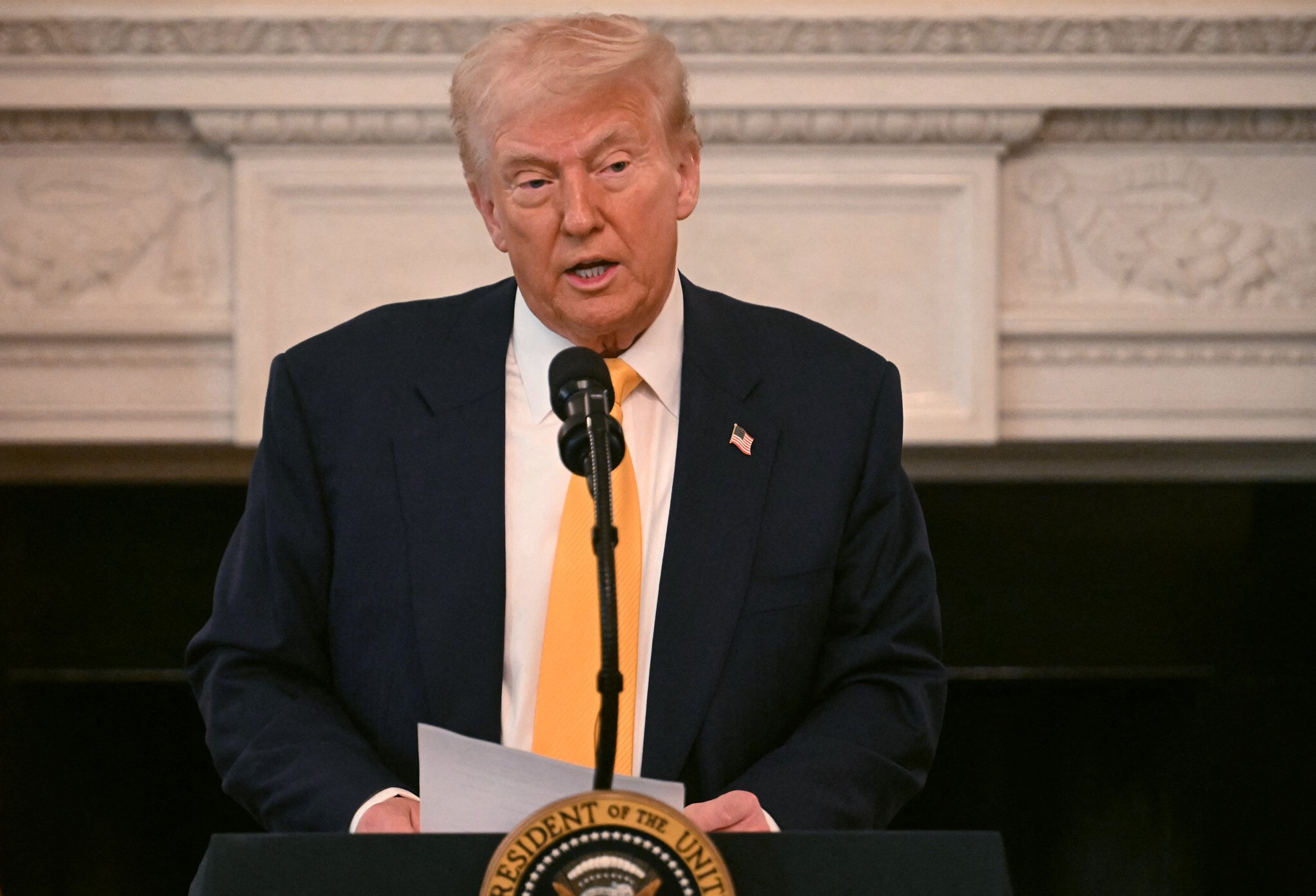
In a world where nations are deeply connected, some political offices hold influence that stretches far beyond their own borders.
From shaping the global economy to directing international security and diplomacy, the leaders in these positions make decisions that affect billions of people worldwide.
A new global ranking identifies the 20 most powerful political positions, highlighting the offices whose occupants wield the greatest authority on the world stage.
This list goes beyond individual personalities, focusing on the roles that define power in today’s complex political landscape:
1. President of the United States
The U.S. President remains the most powerful political figure in the world, with decisions affecting the global economy, military strategy, and international alliances.
2. General Secretary of the Communist Party of China
This role steers the world’s most populous nation, controlling its political direction, economic policies, and global diplomacy.
3. Prime Minister of India
Leading the world’s largest democracy, the Indian Prime Minister influences regional stability, economic growth, and international relations.
4. President of the European Commission
The EU’s top political office shapes policies that affect trade, climate action, and security across Europe and beyond.
5. Chancellor of Germany
Germany’s Chancellor drives Europe’s economic and political stability, playing a central role in EU decision-making.
6. President of Russia
With strategic military power and influence in global energy markets, the Russian presidency remains a key geopolitical role.
7. Prime Minister of the United Kingdom
The UK Prime Minister leads a major global player, shaping diplomacy, trade, and international security.
8. President of France
France’s President plays a crucial role in EU leadership, climate initiatives, and global diplomacy.
9. Prime Minister of Japan
Japan’s leader impacts global technology, economics, and East Asian security.
10. King of Saudi Arabia
This monarch wields influence through oil resources, religious authority, and strategic global partnerships.
11. President of Türkiye
The Turkish President holds regional influence bridging Europe and Asia, controlling migration routes, and managing security issues.
12. Prime Minister of Israel
Israel’s Prime Minister plays a key role in Middle Eastern geopolitics, technology, and defence.
13. Prime Minister of Canada
Canada’s Prime Minister influences global environmental policy, trade agreements, and international development.
14. President of Brazil
Leading Latin America’s largest economy, Brazil’s President is vital in climate policy and regional diplomacy.
15. Mayor of New York City
As leader of a global financial and cultural hub, the NYC Mayor has influence beyond city limits.
16. President of South Korea
South Korea’s President impacts innovation, technology, and regional security in East Asia.
17. President of Indonesia
Indonesia’s leader represents one of the world’s largest populations and a growing economic power in Southeast Asia.
18. Prime Minister of Italy
Italy’s Prime Minister plays a role in European politics, migration management, and economic policies.
19. President of Mexico
Mexico’s President influences North American trade and regional development.
20. President of Nigeria
As Africa’s most populous nation, Nigeria’s President is a key player on the continent and has greater influence on the global stage.