
 By Joshua Tosin Ogunsakin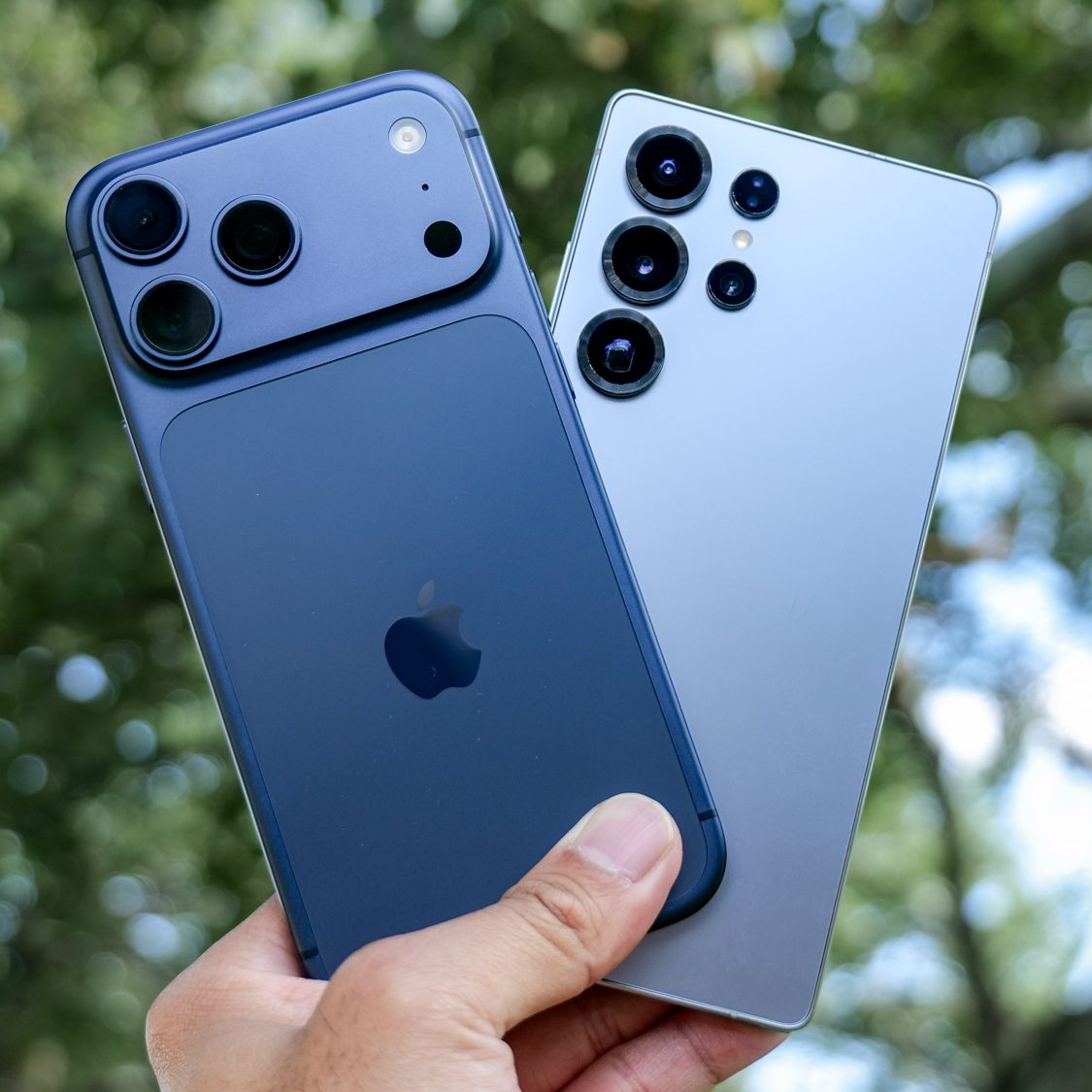
While iPhones remain popular worldwide for their sleek design and smooth ecosystem, Android devices continue to offer features that iPhones cannot match in 2025.
Android’s flexibility, customisation options, and practical functionalities make it appealing to many users.
Here are five areas where Android still leads:
1. Guest Mode and Multiple User Profiles
Many Android phones allow you to create multiple user profiles or use a “Guest Mode.” This keeps personal apps, messages, and photos separate when sharing your device with others. iPhones currently do not offer this level of user account management.
2. Expandable Storage
Android devices often support microSD cards, allowing users to increase storage as needed. This is particularly useful for storing large media files without relying on cloud storage. iPhones, in contrast, have fixed storage capacities determined at purchase.
3. App Freedom and Sideloading
Android allows apps to be installed from outside the official Google Play Store. Users can install alternative app stores or APK files for apps that Apple does not permit. iPhones are limited to the Apple App Store unless jailbroken.
4. Split-Screen and Advanced Multitasking
Android phones often support split-screen mode and floating apps, enabling users to run two apps simultaneously. This is useful for multitasking such as watching videos while messaging. iPhones do not offer the same level of multitasking.
5. Rooting and Custom ROMs
Advanced Android users can root their devices to remove pre-installed apps, apply system-wide changes, or install custom ROMs. This allows deep customisation and extended device life. iPhones remain locked down, preventing similar modifications without risky hacks.
Android devices offer features that cater to power users and those who value flexibility and control.
iPhones excel in simplicity, security, and ecosystem integration.
Choosing the right device depends on your priorities and how you use your smartphone.