
 By Hon. Comrade James Onifade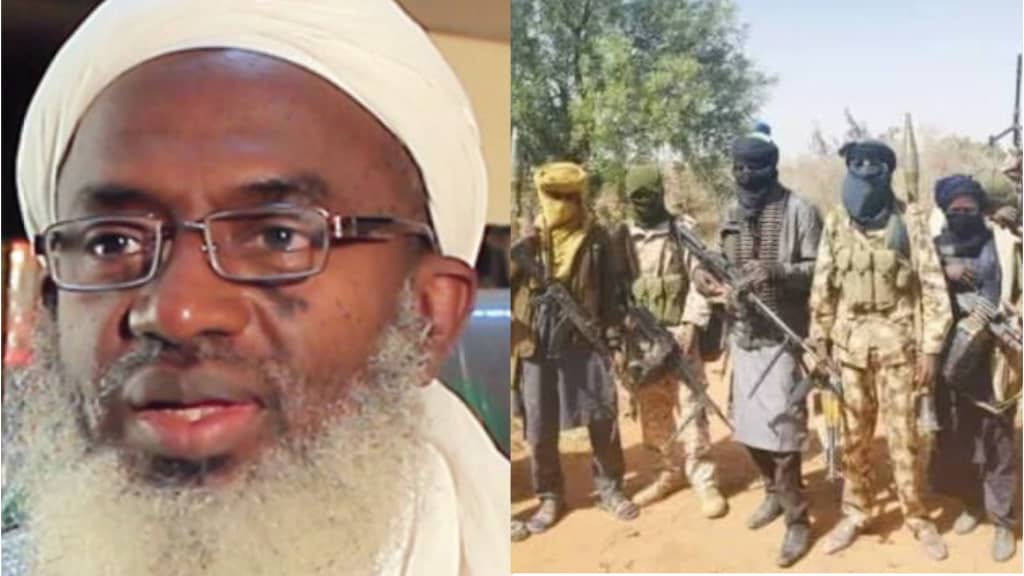
By: Hon Comrade James Onifade
Friday, 26th December 2025
Sheikh Ahmad Gumi’s latest statement calling for an end to US-Nigeria military cooperation has once again thrust the controversial Islamic cleric into the national spotlight. But his criticism of American involvement in counterterrorism operations raises a more pressing question that many Nigerians have been asking for years: Why does a man who has been accused of terrorist sympathies, questionable negotiations with bandits, and inflammatory statements continue to operate freely in Nigeria?
A History of Controversial Engagements
Gumi’s relationship with armed groups in Nigeria has long been a source of national concern. The cleric has positioned himself as a negotiator and intermediary with bandits terrorizing the Northwest, making multiple visits to forest hideouts to meet with armed criminals.
While he frames these engagements as peace initiatives, critics argue that his actions legitimize criminality and provide cover for those responsible for mass kidnappings, killings, and the displacement of thousands of Nigerians.
His public statements have often raised eyebrows. Gumi has previously suggested that bandits are victims of circumstance, described them as “innocent people,” and argued that they take up arms due to perceived injustices. Such rhetoric, many argue, minimizes the suffering of victims and emboldens criminal elements.
The Double Standard Question
What makes Gumi’s continued freedom particularly striking is the contrast with how Nigeria treats other citizens accused of far less serious offenses. Activists, journalists, and protesters have been detained, prosecuted, or silenced for speech deemed threatening to national security or public order. Yet Gumi, whose statements and actions could be interpreted as providing material or moral support to armed groups, faces no such consequences.
Section 15 of Nigeria’s Terrorism (Prevention) Act 2011 (as amended) criminalizes actions that could be seen as supporting or glorifying terrorism. The law also addresses anyone who makes statements that could encourage terrorist acts or undermine counterterrorism efforts. Legal experts have questioned why these provisions have never been applied to examine Gumi’s activities.
The Religious and Political Shield
Part of the answer may lie in Gumi’s position within Nigeria’s complex religious and political landscape. As a prominent Islamic scholar with significant influence among northern Muslims, particularly within Fulani communities, touching Gumi has become politically sensitive. Politicians seeking northern votes are reluctant to antagonize him or his followers. This creates a protective bubble that ordinary citizens do not enjoy.
Some analysts suggest that certain political actors may even find Gumi useful as an informal channel to armed groups, despite the dangerous precedent this sets. By allowing him to operate as a go-between, the government may believe it maintains some influence over these groups, even if indirectly.
The National Security Implications
Gumi’s latest statement opposing US military cooperation reveals the deeper problem with allowing his continued influence. At a time when Nigeria faces existential security threats from Boko Haram, ISWAP, bandits, and separatist agitations, a figure who publicly opposes international counterterrorism support and frames military operations in religious terms threatens national cohesion.
His argument that US involvement is designed to “protect Christians” and could polarize Nigeria along religious lines is particularly dangerous. Such framing transforms security issues into religious conflicts, making resolution more difficult and playing into the hands of extremists on all sides.
What Should Be Done?
Nigeria’s handling of the Gumi situation speaks to broader governance failures. The country cannot afford selective enforcement of its laws based on political convenience or religious sensitivities. If Gumi’s activities warrant investigation, he should face the same legal scrutiny as any other citizen. If his actions are lawful, then the laws themselves may need examination.
At minimum, several steps should be considered:
A thorough investigation into Gumi’s financial relationships with armed groups and whether any of his activities constitute material support for criminal organizations should be conducted. His public statements should be evaluated against terrorism and incitement laws to determine if prosecutable offenses have occurred. If he is indeed serving as an informal government intermediary, this arrangement should be formalized, transparent, and accountable to prevent abuse.
Nigerian authorities must establish clear boundaries for what constitutes legitimate religious leadership versus activities that undermine national security. The legal framework governing interaction with armed groups needs clarification to prevent the normalization of banditry.
Every day that Nigeria allows Gumi to operate without accountability sends multiple dangerous messages: that influence can place one above the law, that sympathizing with criminals carries no consequences if you have the right connections, that national security laws apply selectively, and that religious identity can be weaponized to avoid scrutiny.
The victims of banditry in Nigeria’s Northwest, numbering in the thousands dead and millions displaced, deserve better. Families who have paid ransoms to the same criminals Gumi visits in forests deserve answers. Students kidnapped from schools deserve to know why a man who seemingly has access to their captors faces no investigation.
Sheikh Gumi’s criticism of US-Nigeria military cooperation may have some valid points about sovereignty and the effectiveness of airstrikes. But coming from someone whose own relationship with armed groups remains legally and morally questionable, such statements ring hollow.
Nigeria must decide what kind of country it wants to be: one where laws apply equally regardless of religious or political status, or one where influence creates immunity.
The continued freedom of Sheikh Ahmad Gumi to make inflammatory statements and maintain relationships with criminals represents a test of Nigeria’s commitment to the rule of law.
The question is no longer just about Gumi himself, but about the precedent his treatment sets for Nigeria’s future. Can a nation at war with terrorism afford to let a terrorist sympathizer walk free on its streets? Nigeria’s answer to this question will determine much about its prospects for peace and justice.
E-signed: Hon. Comrade James Onifade
Advocate for Good Governance and A Better Judicial System
 Joshua Tosin Ogunsakin