
 By Hon. Comrade James Onifade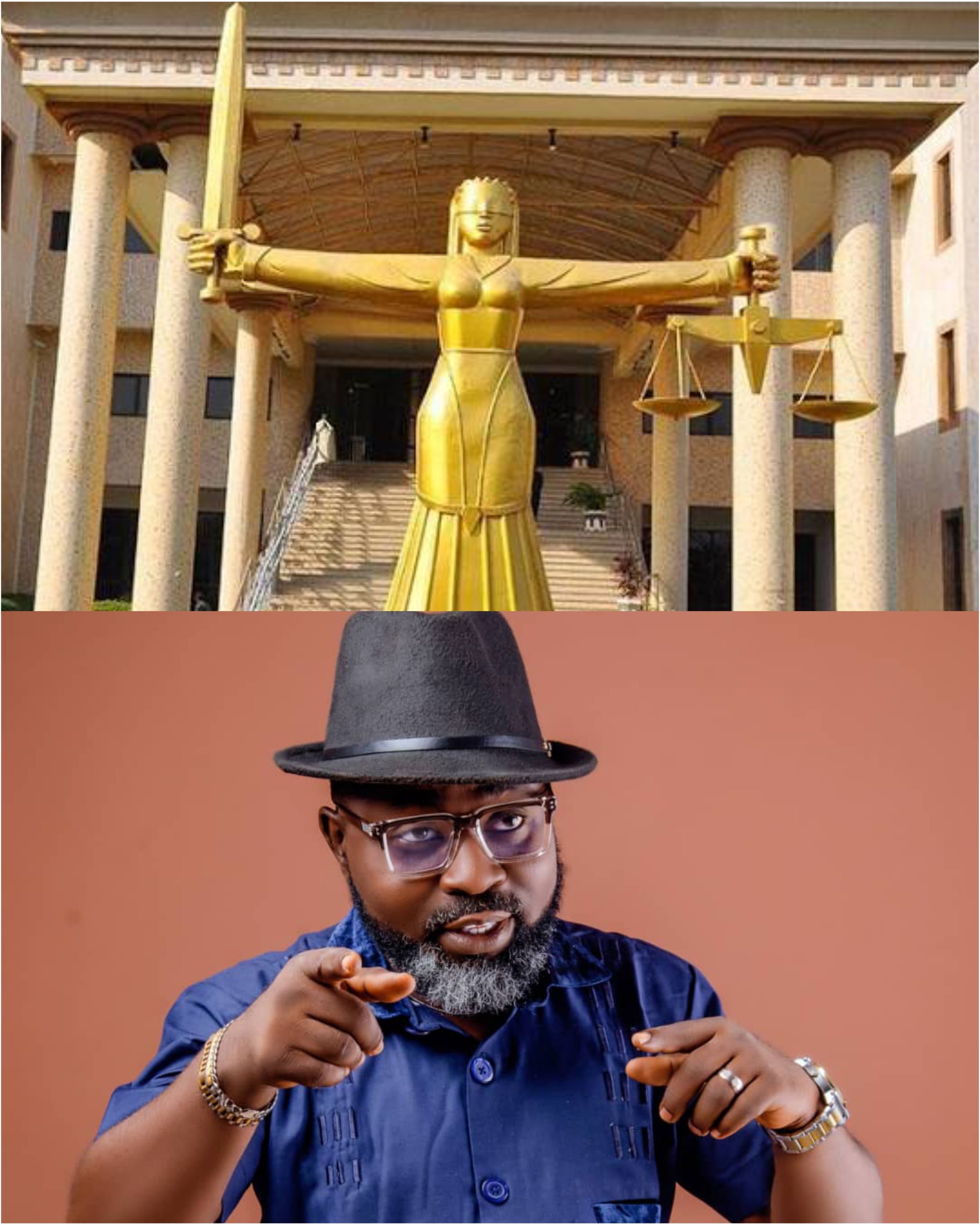
Is a life sentence now the way forward?
That question has haunted me ever since the court handed down life in prison to Nnamdi Kanu. In a country already under siege from insurgency, kidnapping, and growing insecurity, this decision feels less about justice and more like a political spectacle, a show of brute authority in desperate times.
The Case for Proportional Justice
To be clear: I do not defend Kanu’s incitement. His broadcasts, rhetoric, and actions have undeniably contributed to tension and violence in the Southeast. He has been entangled with the justice system for more than a decade first arrested in 2015, granted bail, re-arrested, extradited, and detained repeatedly. Given all that, one would expect a measured and proportionate verdict.
Yet the court struck hard: life imprisonment for several counts, in addition to 20 and 5 year terms running concurrently.
The judge even justified sparing the death penalty on religious grounds, citing a biblical injunction for mercy.
The message is troubling: rather than balance accountability with restraint, we opted for the maximum punishment available, the hammer rather than the scalpel.
Selective Justice and Interesting Comparisons
What compounds this unease is the glaring inconsistency in how justice is wielded.
Take Sheikh Ahmed Gumi, for instance. He’s widely known to have acted as a negotiator between bandits and the government. Despite his active role in mediation, he walks freely, unprosecuted. If incitement to violence merits life in prison, surely intermediating for armed criminals ought to attract similar weight. Yet he remains largely unbothered.
This disparity reveals a justice system that strikes where the symbolism is strongest and retreats where the political cost is too high.
On Kanu’s Conduct — Not Innocent, But Politically Chosen Punishment
Yes, Kanu was wrong in how he addressed the judiciary, he once called judges a “bunch of fools.”
He even dismissed his legal team, declaring he would defend himself and ordered them never to represent him again. Such behavior undermines the gravitas of legal proceedings. He could have channeled his agitation differently. Instead of fomenting unrest, he might have laid out a memorandum, submitted it to the government, or used the court system to escalate his demands not by calling for violence, killing innocent citizens, or vandalizing property.
Yes, what he did legally falls under serious offenses: treasonable felony, incitement, encouraging violent actions. These are not trivial, and in many jurisdictions, they are considered unforgivable when they lead to loss of life and destruction.
A Politically Motivated Verdict?
One cannot ignore the timing and optics. The life sentence feels less like a purely legal decision and more like a political statement , especially in a moment when insecurity is spiraling.
By making Kanu the face of punishment, the government arguably distracts from its failures elsewhere: the massacres, the kidnappings, the banditry that have plagued many regions. In other words, this might be less about justice and more about narrative control.
The Human Toll & Moral Contradiction
The tension between severity and selectivity in state power has real human consequences. People have raised deeply personal stories that shed light on this contradiction.
For example, according to reports, a mother of a kidnapped student said:
“We gave N800,000 to Sheikh Gumi just for transport … I begged him, I am a widow … but he said it wasn’t his concern.” If true, this moment encapsulates the tragedy: a family in agony, paying tens of thousands just for a mediator’s transport, while that mediator remains free, unprosecuted.
Yet Kanu, whose agitation is political, is locked away for life.
This is not just about Kanu’s fate , it’s a mirror held up to Nigeria’s system: Who gets punished? Who negotiates? Who is shielded?
What Kind of Justice Do We Really Want?
A fair society demands more than symbolic displays of authority. Justice must be:
Balanced : Punishing wrongdoing, but not in an arbitrary or performative way.
Consistently applied: Whether you are a separatist leader, a bandit negotiator, or a political broker.
Constructive : Aimed at healing, not stitching deeper ethnic or regional divides.
In choosing life imprisonment for Kanu, the court may have amplified division rather than healing it. The sentence risks reopening old wounds, inflaming distrust, and setting a precedent: some voices can be eliminated permanently, others tolerated if useful.
The Way Forward
If we are setting this precedent, we must be ready to apply it evenly, to Kanu, to Gumi, to all actors whose words or actions fuel violence. If we do not, then this isn’t justice. It’s just a performance of it.
A civilized justice system should not only punish; it should deter, rehabilitate, and rebuild. Life in prison may remove one man, but it does nothing to address the root causes of agitation, insecurity, and political alienation.
The life sentence against Nnamdi Kanu may satisfy a political impulse, but it raises deeper, more dangerous questions.
Are we trying to heal Nigeria, or punish a symbol?
Are we strengthening the rule of law, or consolidating selective power?
And most importantly, what kind of country do we want to build?
 Joshua Tosin Ogunsakin